Liberation Through Voice
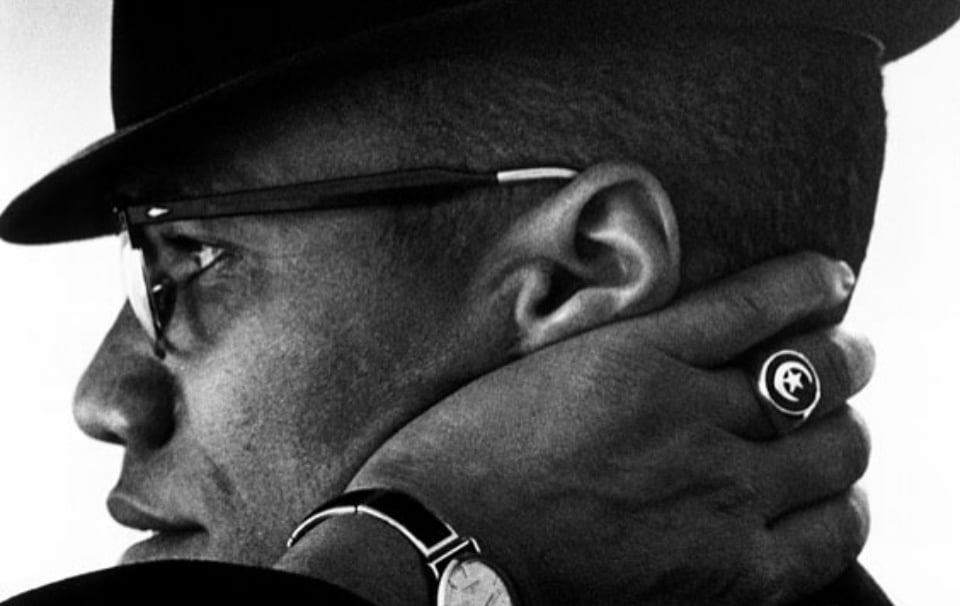
On this day in history, we remember the birth and the legacy of two voices who refused to be silenced — two souls whose lives remind us that art and resistance are often born from the same fire. In 1933, the world welcomed Nina Simone, born Eunice Kathleen Waymon — a musical genius whose spirit could never be confined by white standards or expectations. She once said, “To most white people, jazz means Black and jazz means dirt, and that’s not what I play. I play Black classical music.” Known as the High Priestess of Soul, her artistry was never just performance — it was survival, testimony, and endurance. After the 1963 bombing of the 16th Street Baptist Church and the assassination of Medgar Evers, Nina’s music shifted. Her sound hardened into truth. Her voice became a weapon of clarity within the Civil Rights Movement. Songs like Mississippi Goddam and To Be Young, Gifted, and Black were not just melodies — they were declarations. They carried the pain, the pride, and the unbreakable dignity of Black life across a nation that was trying to silence it. And on this same day in 1965, the world lost another powerful voice when Malcolm X was assassinated at the Audubon Ballroom in New York City. Born Malcolm Little in Omaha, Nebraska in 1925, Malcolm was often labeled controversial because his vision of liberation did not mirror the nonviolent philosophy of Martin Luther King Jr.. Where King spoke of peaceful resistance, Malcolm spoke of self-defense — insisting that Black people had the right to protect themselves against the violence being inflicted upon them. His rallying cry, “By any means necessary,” was not a call to chaos — it was a demand for survival, dignity, and autonomy in a country where white nationalist violence was a daily reality. His teachings were deeply influenced by liberation thinkers like Marcus Garvey, and his voice became a global symbol of Black consciousness, pride, and self-determination. Today, we remember that without their courage, their truth-telling, and their refusal to bend, the path we walk now would not exist. Their legacies remind us: Art can be resistance. Truth can be dangerous. And liberation always begins with the courage to speak — and live — unapologetically. Never forget.
Ariana Bibb
2/22/20261 min read